Pavement and Parking Rules in Seven Kings: Movers' Checklist
Posted on 05/07/2026
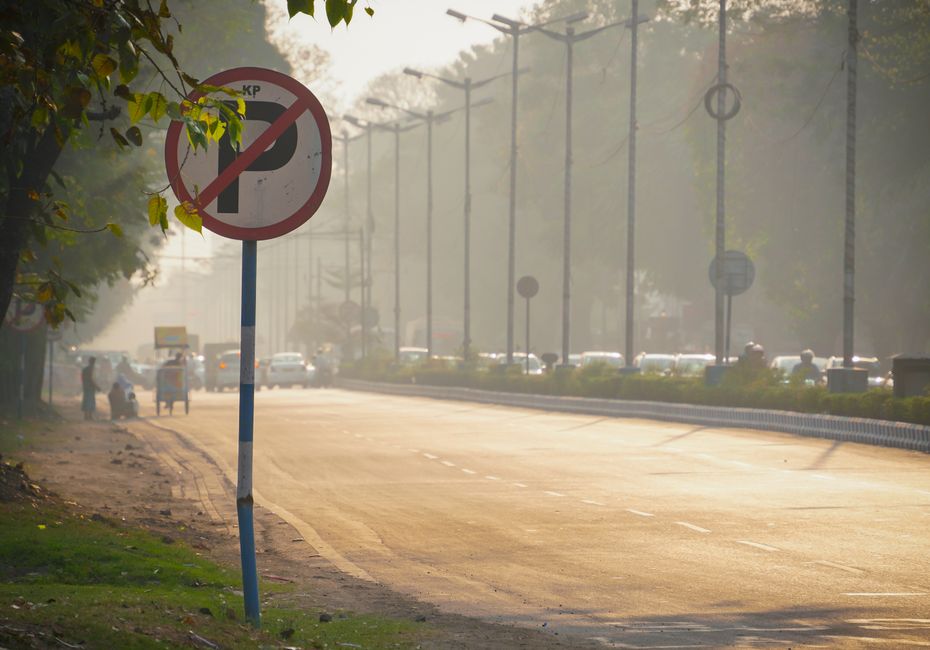
Moving in Seven Kings can feel deceptively simple right up until the van arrives and the street says otherwise. A narrow pavement, a busy parking bay, a staircase with tight turns, or a neighbour's car parked in the only sensible spot can all turn a straightforward relocation into a long, awkward morning. That is exactly why Pavement and Parking Rules in Seven Kings: Movers' Checklist matters. It helps you plan the vehicle position, protect pedestrians, reduce delays, and avoid the sort of last-minute scramble that nobody enjoys, especially with boxes everywhere and a kettle packed away somewhere mysterious.
In this guide, you will find a practical breakdown of how pavement access and parking usually affect a move in Seven Kings, what to check before move day, where the common risks sit, and how to build a checklist that actually works in real life. We will also touch on sensible best practice around permits, loading, staircases, and route planning. If you are trying to keep things calm and compliant, you are in the right place.
Why Pavement and Parking Rules in Seven Kings: Movers' Checklist Matters
Parking is not just a convenience on moving day. In a place like Seven Kings, it shapes everything: how close the van can get to the property, how safely items can be carried, whether the pavement stays clear, and how quickly the team can work without blocking people, bins, or driveways. If the vehicle ends up too far away, every extra metre matters. A sofa feels twice as heavy when it has to be carried around two cars and a hedge. Funny how that works.
The pavement side matters just as much. A busy footpath is not the place for stacked boxes, loose straps, or a van door left open into the pedestrian route. You need enough clearance for passers-by, prams, mobility aids, and the general flow of the street. Even if nobody complains, poor positioning can create a real trip hazard. And let's be fair, nobody wants to start a move by apologising to half the road.
It also matters because moving day has a way of compressing time. The more you can reduce uncertainty before arrival, the less likely you are to make rushed decisions. A clear parking plan keeps the lift-outs and carry-ins efficient. It also protects your belongings. Long carries increase the chance of bumps, knocks, and tired handling. If you are already planning the rest of the move carefully, it makes sense to include access and parking in the same conversation. Our broader advice on keeping a house move organised and low-stress fits neatly here.
Expert summary: if the van cannot park legally, safely, and close enough to the property, the move becomes slower, riskier, and more expensive in practical terms, even if the paperwork looks fine on the surface.
How Pavement and Parking Rules in Seven Kings: Movers' Checklist Works
There is no single universal rule that fits every street in Seven Kings. That is the first thing to understand. Parking restrictions, loading permissions, yellow lines, permit bays, access times, and pavement layout can all vary from one road to the next. So the checklist is less about memorising one rule and more about checking the actual conditions for your street, your property type, and the size of the moving vehicle.
In practice, you should think in three layers. First, the legal layer: is the vehicle allowed to stop or park in that space, and for how long? Second, the safety layer: can the van sit there without creating a hazard for pedestrians, cyclists, drivers, or the removal crew? Third, the logistics layer: is the position close enough to keep the carry distance sensible? If one of those layers fails, the move will likely feel harder than it needs to.
For many Seven Kings moves, access concerns show up around terraced streets, shared driveways, tight residential roads, and flats with stairwells or narrow entrances. If that sounds familiar, it may help to look at staircase and parking challenges during Seven Kings moves, because the access side and the parking side often affect each other. If the van is not close, every staircase becomes a bigger job.
Another practical point: some moves need a permit, some do not, and some only need temporary loading arrangements. The right answer depends on the exact location and the timing. Because of that, the safest approach is always to verify ahead of time rather than assume the street will be forgiving. Truth be told, streets rarely are.
Key Benefits and Practical Advantages
When pavement and parking are planned properly, the benefits are obvious very quickly. The most noticeable one is speed. A van parked well saves repeated trips, avoids awkward detours, and helps the team maintain rhythm. On a moving day, rhythm is everything. Boxes flow. Furniture moves in a sensible order. People stop standing around wondering whose turn it is.
There is also a strong safety benefit. A good parking position reduces the need to carry bulky items around obstacles or across uneven ground. That means fewer strained backs, fewer scratched walls, and fewer near-misses with kerbs or bollards. If you are handling heavy objects, a little preparation goes a long way. Our guide to handling heavy items more safely is worth a look if your move includes awkward furniture or boxes that look smaller on paper than they do in your hands.
There are cost benefits too, even if they are indirect. Better access can reduce labour time, reduce the need for extra trips, and help the schedule stay on track. If you are comparing quotes, that practical efficiency often matters more than a headline number. For a fuller view of what drives moving costs, see how transparent pricing helps avoid hidden move-day fees.
Finally, good planning makes the day feel calmer. That might sound soft, but it is not. When the van is parked sensibly and the path is clear, everyone can focus on the move itself rather than on traffic, neighbours, or unexpected arguments over space. Less friction. More forward motion.
Who This Is For and When It Makes Sense
This checklist is useful for almost anyone moving in Seven Kings, but it is especially helpful for people in streets where access is tight or parking is already heavily used. If you live in a flat, a terrace, a maisonette, or any property where the van cannot simply pull into a private driveway, you will benefit from planning pavement and parking early.
It also matters for student moves, same-day moves, and smaller relocations that people sometimes assume will be simple. Smaller does not always mean easier. A few boxes, a bed frame, and a washing machine can still create parking headaches if the vehicle ends up half a street away. If you are moving quickly, the planning window is shorter and the margin for error is smaller. In that situation, knowing when same-day removal help makes sense can save a lot of stress.
Households with children, pets, elderly relatives, or mobility needs should pay extra attention to pavement access. A clear, safe route in and out of the property is not a nice-to-have. It is part of a sensible move plan. Offices, too, can get caught out, especially if delivery bays, loading restrictions, or nearby pedestrian traffic complicate the day. And if you are moving specialist items, like a piano, the access planning becomes non-negotiable. For that kind of move, our piano removals service is built around careful handling and proper access management.
Some people only realise they need this checklist when the van is already outside and the neighbour's car is in the way. Better not to arrive at that stage.
Step-by-Step Guidance
1. Inspect the street before moving day
Walk or drive past the property at roughly the same time of day your move is due to happen. That sounds obvious, but timing matters. A quiet side street in the early morning can be full by lunchtime. Look for yellow lines, permit bays, school traffic, local bottlenecks, and places where the pavement narrows. If you can, note where a van could stand without blocking driveways or forcing pedestrians into the road.
2. Measure realistic access, not ideal access
Do not plan using your best-case imagination. Plan for the actual vehicle length, turning circle, and carry distance. A small van may fit in places a larger removal van cannot. If you are not sure which vehicle size suits your move, compare the practical options in removal van options for Seven Kings moves or browse the wider services overview for a better sense of fit.
3. Confirm whether a permit or loading arrangement is needed
This is one of the most important steps. Some streets require formal permission, some allow short loading stops, and some are heavily restricted at certain times. Check ahead, and leave enough time for changes if the first plan is not workable. If you are unsure, it is better to build in a buffer than to gamble on a last-minute solution. I have seen moves lose half an hour over a misunderstanding that would have taken five minutes to sort the day before. Very annoying, honestly.
4. Reserve the most sensible loading point
Where possible, choose the loading point that keeps the path short and the pavement clear. That may mean a slightly less convenient parking angle if it avoids blocking the walkway. A good mover will balance convenience with compliance and safety. If you are discussing options with a team, mention any awkward gate, stair, or corner detail early. It changes the setup more than people expect.
5. Prepare the front of the property
Move bins, loose planters, spare bikes, and anything else that narrows the access route. Take up mats and clear the path inside as well as outside. If your move is part of a larger clean-up, a practical pre-move reset can help. Our guide to cleaning before you relocate works nicely alongside decluttering, especially if you want the home to feel ready for handover. And if you are still sorting what to take, decluttering before a move can reduce both load and parking pressure.
6. Pack with the parking plan in mind
Heavy or awkward items should be packed and labelled so they can be loaded in a sensible order. Items needed last in the property should be closest to the exit. Boxes that are clearly marked save time at the van, which matters more than people realise. For stronger packing habits, see packing essentials for a flawless move and packing and boxes support in Seven Kings.
7. Keep the pavement open and the move moving
Once the van is in place, monitor the footpath. Do not leave items where people must step around them. Use a temporary stacking zone only if it is genuinely safe and brief. The goal is not to create a mini warehouse on the street. The goal is to move goods efficiently while leaving the pavement usable.
8. Build a fallback plan
Sometimes the first choice simply does not work. Another car appears. A delivery arrives. Weather turns the pavement slick. Have a backup parking idea ready, even if it is only one or two streets away. That backup could be the difference between a smooth first hour and a messy one.
Expert Tips for Better Results
Start the parking conversation earlier than feels necessary. In our experience, people tend to think about boxes first and vehicle access second. It should really be the other way around for tight streets. If you know the van cannot sit directly outside, the entire load plan changes. That is normal, not a disaster.
Keep a photo of the street, if useful, and share it with the moving team. A quick image of a narrow bay, a dropped kerb, or a restricted frontage gives more useful context than a vague description ever could. It is one of those tiny things that saves everyone from guessing. And guessing is where the friction starts.
Use the quiet parts of the day where possible. Early starts often work better than late morning in residential areas because there is less competing traffic and fewer parked cars moving in and out. That said, there is no universal ideal, so balance timing with what your building or street allows.
If you are moving a larger load, check whether some items can be taken out first to reduce the amount of time the vehicle needs to sit in the best spot. Light items can be staged indoors before the van arrives. Heavy items, especially furniture, should be ready to go. If sofa or mattress handling is part of the move, expert sofa handling tips and bed and mattress transport advice can make packing and loading much more manageable.
One more thing. Don't assume the closest space is always the best space. Sometimes a slightly farther but legally cleaner position works better than trying to squeeze into a spot that creates tension, delays, or a complaint from a neighbour who was just trying to get to the post. Moving days are already lively enough.
Common Mistakes to Avoid
The biggest mistake is assuming the van can "just stop outside" without checking. On many Seven Kings streets, that assumption is the source of most delays. The second biggest is forgetting that a short stop still has to be safe and sensible. If it blocks the pavement or forces the crew into a risky carry, it is not a good plan.
Another common issue is underestimating the impact of other vehicles. Streets fill up quickly. A parking space that looks available at 8 a.m. may be gone by 9 a.m. If you are moving in a busy residential area, build in a bit of slack. A tiny delay can snowball into a frustrating morning, especially if the first van load is already waiting by the kerb.
People also forget to communicate building rules. Flats can have their own access instructions, concierge arrangements, or stairwell limitations. If you are moving from or into an apartment, it may help to review flat removals in Seven Kings and make sure the parking plan aligns with the building layout. The pavement may be clear, but the lobby access may still slow things down if nobody checked.
Finally, do not pile items on the pavement for too long. It can be tempting to create a mini staging area, especially when the van is full and the hall is tight, but it is safer to keep the process lean and controlled. A tidy chain from front door to vehicle beats a cluttered curb every single time.
Tools, Resources and Recommendations
You do not need fancy equipment to handle parking and pavement planning, but a few simple tools help a lot. A tape measure, some sticky notes or labels, a phone for photos, and a pen-and-paper checklist are usually enough. If your move involves a lot of boxes, pre-printed labels save time and reduce guesswork. See also packing and boxes support for more structured preparation.
A moving diary is useful too. It does not have to be elaborate. Just note the property access details, the best arrival time, the van size discussed, any permit needs, and the fallback option. That one page can prevent a lot of back-and-forth on the day.
If your move includes storage, remember that the parking issue may happen twice: once when taking items out, and again when putting them in. A storage plan can help you reduce pressure on the removal day itself. You can read more about storage options in Seven Kings if you want to split the move into stages. For frozen goods or specialist household items, the loading timing becomes even more important, so our notes on storing freezers safely may also be helpful.
If your situation is more complex, especially for large homes or mixed-use properties, compare the moving support available through house removals in Seven Kings, office removals, and man with a van support depending on scale. The right match matters more than the fanciest label.
Law, Compliance, Standards, or Best Practice
Parking and pavement arrangements sit in a practical space between local rules, road safety, and common sense. The exact restrictions depend on the street, the local authority's approach, signage, and the type of bay or road marking in place. Because of that, the safest mindset is simple: check the local conditions before the move and do not rely on assumptions. If a bay is restricted, treat it as restricted. If the pavement is narrow, treat it as a shared pedestrian route that must remain usable.
Good practice usually includes keeping pedestrian access open, avoiding obstruction, not blocking driveways, and using loading only where it is genuinely permitted. For moving teams, there is also a duty to work safely. That means thinking about manual handling, vehicle position, traffic movement, and the route between property and van. If you want to see how one company frames safety across its work, the health and safety policy and insurance and safety information provide a useful picture of the standards that should underpin a professional move.
In many cases, the best practice is not dramatic at all. It is calm, careful, and a bit boring. Check the street. Confirm the space. Make sure pedestrians are safe. Keep access clear. That approach is rarely exciting, but it works.
If any part of the move feels uncertain, especially around permits or street use, build in time to verify the setup rather than improvise on the day. That is where a lot of avoidable hassle lives.
Options, Methods, or Comparison Table
Different moves call for different access methods. There is no one-size-fits-all answer, and that is precisely why comparing the options can help.
| Option | Best for | Pros | Watch-outs |
|---|---|---|---|
| Direct outside parking | Quiet streets or private access | Shortest carry distance, fastest loading | May not be legal or available at the right time |
| Nearby legal loading point | Residential streets with restrictions | More compliant, usually safer for pedestrians | Longer carry, may take more time |
| Permit-controlled bay | Areas with managed parking | Predictable if booked correctly | Needs advance checking and timing |
| Split loading plan | Complex moves or limited space | Reduces congestion, can fit around access issues | Requires strong coordination and clear labels |
For a simple flat move, a nearby loading point may be enough. For a large family home, you may want the closest legal position available. For a rush job, efficient loading matters even more. If speed is the priority, see how same-day removals in Seven Kings are handled when time is tight.

Case Study or Real-World Example
A typical Seven Kings move might involve a two-bedroom flat in a street with limited on-road space. The occupant assumes the van can wait outside the entrance while the team carries items down the stairs. In reality, the first available space is a short distance away, the pavement is busy, and the stairwell is narrow enough that any delay at the kerb multiplies the time upstairs. Not ideal.
With a better plan, the moving team checks the street beforehand, identifies a legal loading point, clears the front path, and labels the heavier items first. The sofa and mattress are loaded early, the smaller boxes are staged near the exit, and the van is parked to keep the carry short without blocking foot traffic. The whole job feels calmer. No drama. Just good order.
Now, compare that with a move where nobody checks parking. The van arrives, there is nowhere useful to stop, and the first twenty minutes vanish to circling, moving bags, and discussing options that should have been settled the day before. Same property. Same belongings. Completely different experience. That gap is why planning matters so much.
Practical Checklist
Use this as a quick move-day list. It is simple on purpose.
- Check the street layout and parking restrictions in advance.
- Confirm whether the van can legally stop or load near the property.
- Identify a backup parking option nearby.
- Keep the pavement clear for pedestrians at all times.
- Move bins, bikes, and loose items out of the access path.
- Label heavy or awkward items clearly.
- Prepare flats, stairwells, or entrances so the route stays open.
- Share photos or notes of tricky access with the moving team.
- Build in extra time for busy roads or permit-controlled bays.
- Double-check that nothing is left on the pavement after loading.
Quick take: the best parking plan is the one that is legal, safe, and close enough to keep the move moving. Everything else is just noise.
Conclusion
Pavement and parking rules in Seven Kings are not something to leave until the van is already outside. A few minutes of planning can spare you a lot of unnecessary carrying, awkward delays, and avoidable stress. Whether you are moving from a flat, a family house, or an office, the same basic principle applies: keep access legal, keep the pavement clear, and make the loading route as direct as the street allows.
Once you treat parking as part of the move plan rather than an afterthought, the day becomes much easier to manage. You will notice the difference immediately: fewer pauses, fewer surprises, and a far better sense of control. And honestly, that steady feeling is half the battle won.
Get a free quote today and see how much you can save.


